Not All Monsters are Fictional
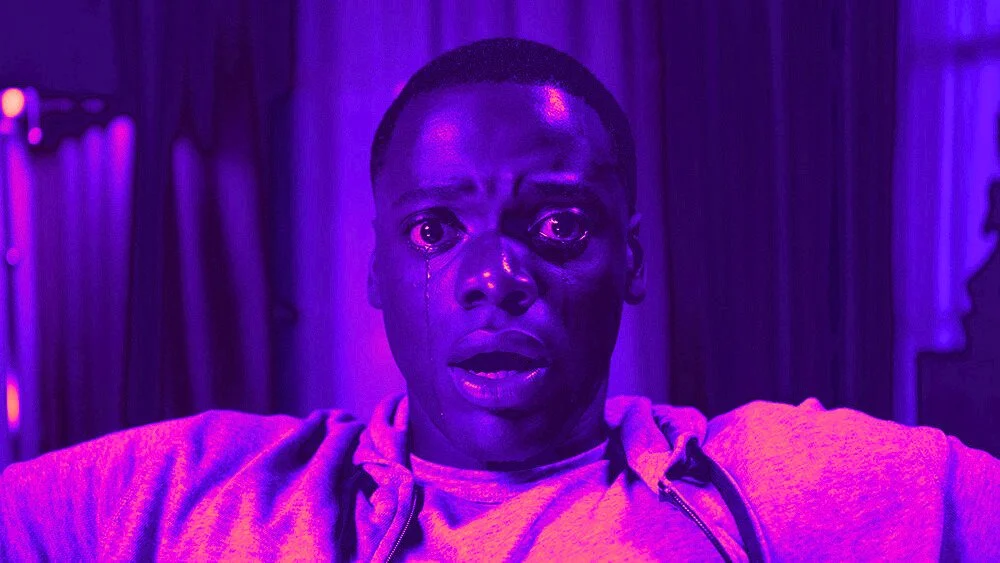
We tend to treat horror as an escape—something exaggerated, unreal. Right now, critics say Black horror is having its “moment,” from Ryan Coogler’s breakout Sinners back to Jordan Peele’s 2017 classic Get Out. Nearly a decade apart, these films prove it’s more than a trend finally getting its due. Moments don’t exist without memory.
Horror has always told the truth before language could. The fear itself hasn’t changed; it’s just beginning to look more familiar. When the monster is embedded in our systems instead of under our beds, the story feels less fictional, less exaggerated—more real. Discomfort creeps in not because it’s new, but because it’s recognized. So instead of asking whether these films are scary, it’s worth asking what they’re asking us to see.
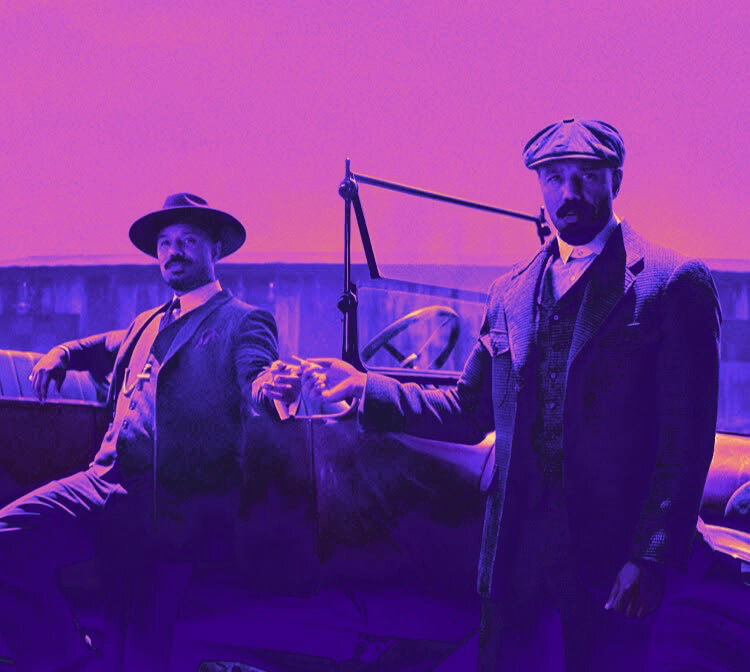
Sinners is a Black horror film starring Michael B. Jordan as twin brothers, Smoke and Stack, who return to 1932 Mississippi after World War I to open a juke joint. Set in the Jim Crow South, racial tension governs every aspect of the film. The supernatural vampire element places it neatly within the horror genre for some viewers. Others dismiss it as overrated, arguing that the “real” horrors—those rooted in history—exist long before the vampire Remmick ever sinks his teeth into anyone.
But when horror doesn’t exaggerate fear, it’s called boring. When it doesn’t invent monsters, it’s accused of lacking stakes. What many are reacting to isn’t a lack of horror—it’s recognition without distance.
Get Out is set in a more contemporary moment. Chris, a Black man, reaches the milestone of meeting his white girlfriend Rose’s parents during a weekend getaway. Slowly, almost quietly, the visit exposes the intentions behind a liberal-seeming white society. The family home, reminiscent of a plantation, sets the tone for the true horror: the subtle ways Black people are exploited and dehumanized even within so-called progressive spaces. The film centers on fetishization—not just of Black culture, but of Black bodies themselves. Literal organs taken. Literal bodies stolen.
What makes these films uncomfortable isn’t what they show—it’s how easily we’re trained to stop looking once we’ve labeled something entertainment.
In Sinners, nearly every horrific moment functions as a symbol. The fire in the film has since been misread as just a “scene.” Now, whenever Black people and fire appear on screen, Sinners is cited as inspiration. But in Sinners, fire symbolizes not destruction, but something closer to purification—something good. In Welcome to Derry, the fire imagery has been compared to Sinners, yet the meaning shifts entirely. That fire is rooted in fear. Not fear induced by Pennywise, but fear produced by the system itself.
Pennywise doesn’t invent fear—he exploits what the town has already agreed not to confront. He weaponizes racism, the fear of what’s embedded within the system, because what hides in plain sight is far more terrifying than what lurks in the shadows. That’s where the fear actually lives.
Black horror isn’t begging to be understood. The fear doesn’t come from ghouls or goblins—it comes from familiarity. That lingering discomfort when the credits roll? Don’t shake it off. Notice it.
After all, madness isn’t losing your grip on reality. It’s realizing the story was never completely imaginary in the first place. This is a culture that survives by calling awareness madness. Noticing is an act of resistance.
This is igor’s madness.